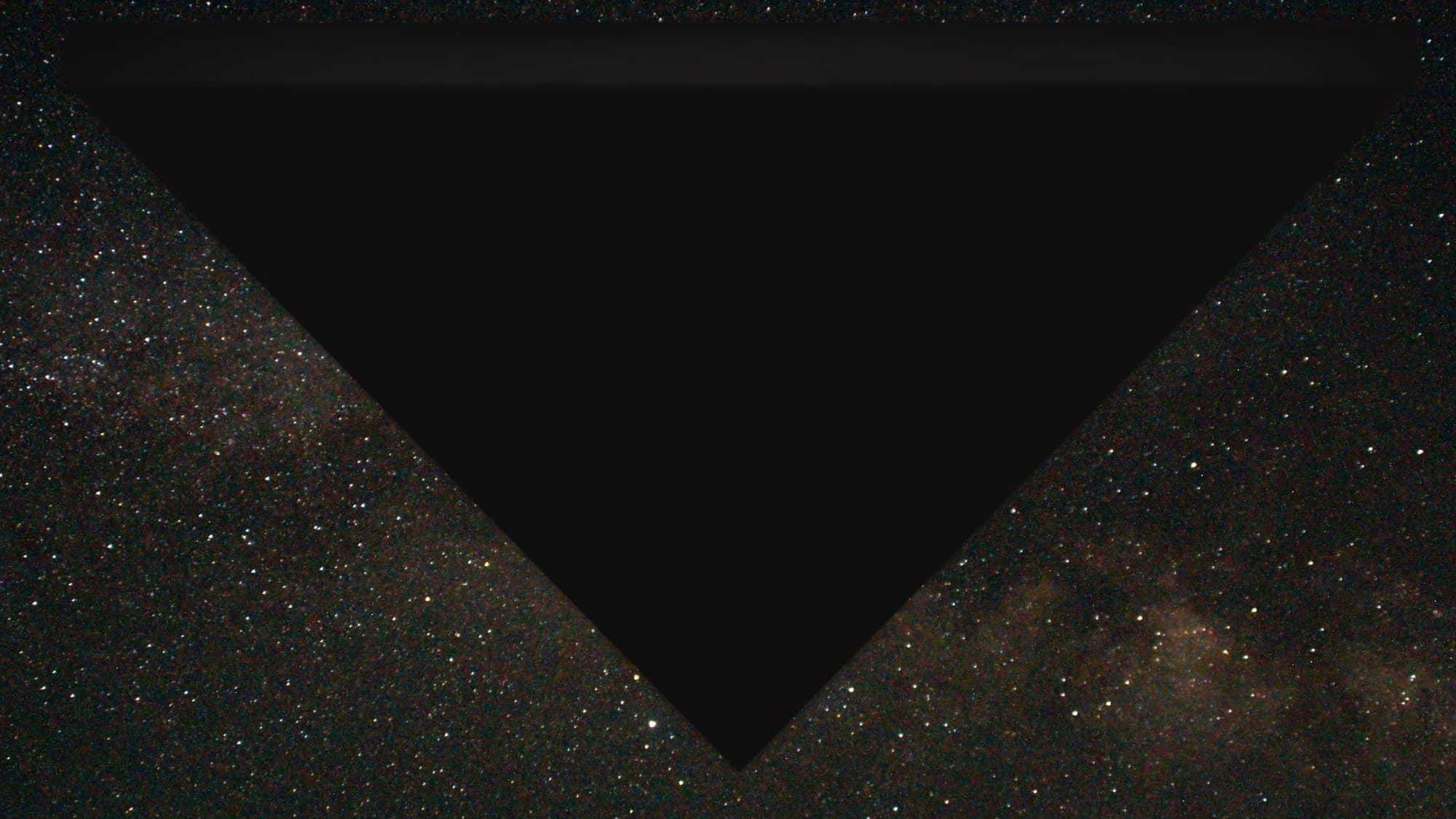
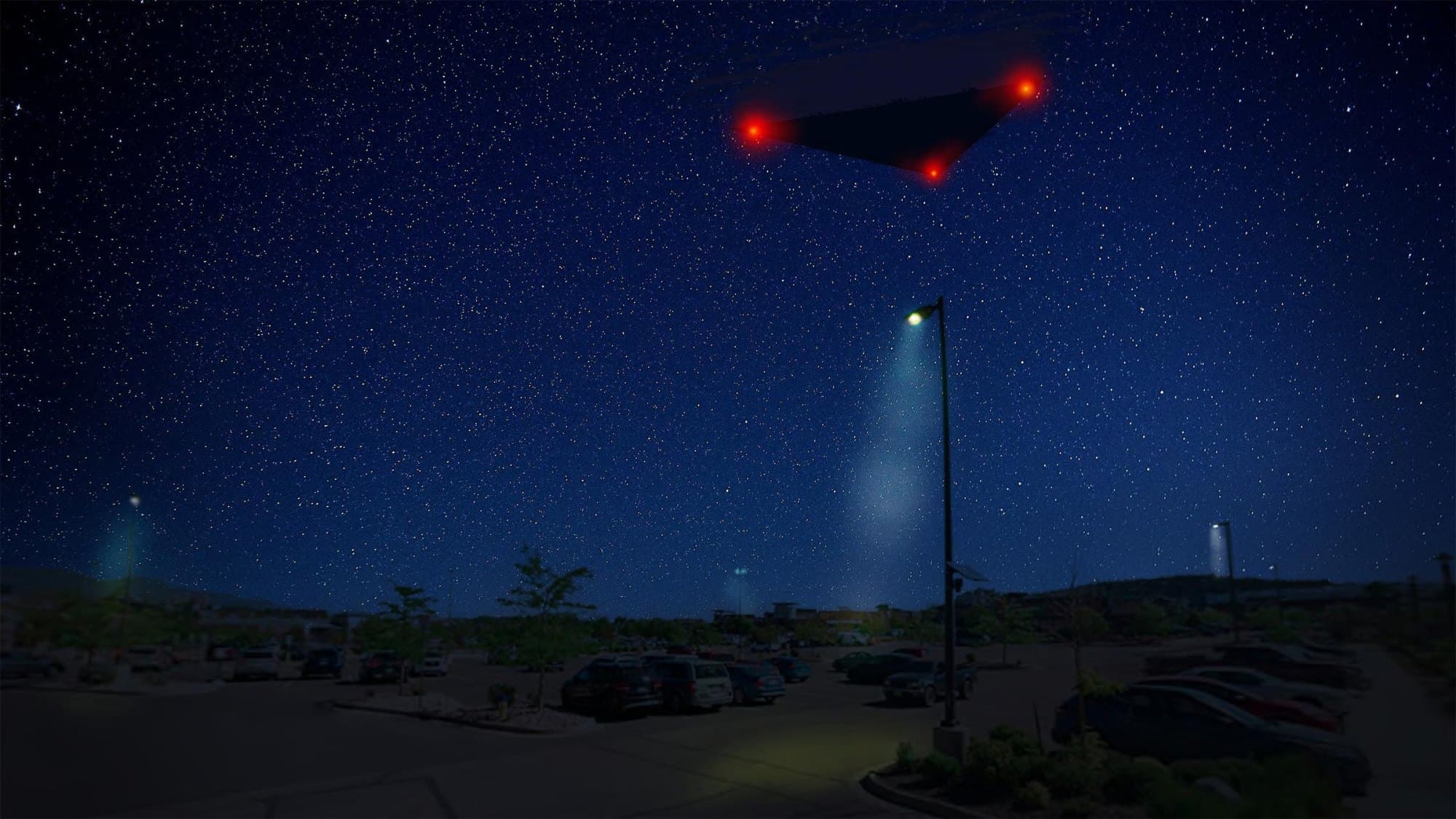
Release 03 introduced the FBI's practice of commissioning a digital rendering from a witness's description. Release 05 turns that practice into the structure of an entire tranche. Four FD-302 interview records arrive here, each with its own rendering attached: a former military pilot's account of an enormous triangle over Bagram Air Force Base in 2002; two former service members describing a dark triangle with lights in 2011; and — separately interviewed nine months apart — two people describing a triangular object near Colorado Springs in October 2023. Read as a set, they are the closest thing the corpus has to a shape taxonomy.
The single most consequential file is smaller and easier to miss. FBI-UAP-PR007 is thermal footage a U.S. Government Special Agent shot by hand during a 2026 incident in the western United States — two slow-moving 'black-hot' contrasts. It is the first video in the entire PURSUE program that the Bureau captured rather than received, and it ships with the agent's own FD-302 describing what he was looking at when he raised the camera.
The historical prize is a debunking, and it is worth reading precisely because it worked. In November 1963 a Rio radio station reported that a 'large metal sphere' containing a deceased occupant had crashed at Conde, in Bahia. The CIA's wire service logged the broadcast on the 9th. The Rio embassy cabled Washington on the 14th. By the 20th, the scientific attaché in Salvador had reported the story unsubstantiated and traced it to a fabrication originating in Rio. Eleven days, start to finish — and the file survives because it sat in the papers of Edward C. Welsh, who ran the White House's National Aeronautics and Space Council. These are the first State Department and Executive Office of the President documents PURSUE has published.
One methodological note the Department deserves credit for. All six Gulf of Oman videos are secondary captures — someone filming the infrared display of an AC-130J gunship with a cell phone — and every description says so explicitly, because it limits what the footage can support. That caveat is doing more analytical work than most of the imagery.